After Midnight, the Lobbies Get Weird: A US Player's Guide to Southeast Asia's Late-Night Queue
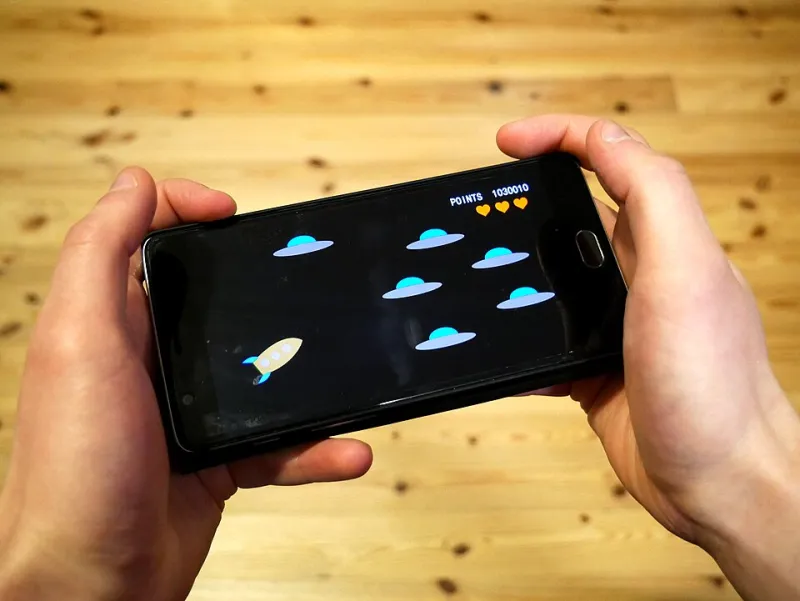
Photo: Santeri Viinamäki, CC BY-SA 4.0, via Wikimedia Commons
Most US players treat Southeast Asian servers like a mystery box: you queue at 9 p.m. your time, get a lobby full of silent killers, and log off convinced the whole region is a sweat factory. Then you try again at 9 a.m. and wonder why the same game feels like a ghost town.
The truth is simpler. Southeast Asia does not have one peak. It has a rolling schedule built around work shifts, school runs, event resets, streamer slots, and the fact that millions of players are on phones, not consoles. If you want better queues, stop thinking in your time zone and start thinking in theirs.
Here is the practical version of that schedule, plus how to use it without turning your sleep into a casualty.
The Clock Is the Matchmaker
Matchmaking is population math. When a region's player count spikes, queues get faster and skill bands tighten. When it dips, the system widens the net. That is why the same account can feel unbeatable at 8 p.m. and hopeless at 2 a.m.
Southeast Asia's main hubs sit around UTC+7 and UTC+8. Bangkok, Jakarta, and Ho Chi Minh City are UTC+7. Manila, Singapore, and Kuala Lumpur are UTC+8. New York is UTC-5 in November, Los Angeles is UTC-8. That gap is the whole story.
When it is 9 p.m. in Bangkok, it is 9 a.m. in New York and 6 a.m. in Los Angeles. SEA's after-work crowd is logging in just as most of the US is starting its day. If you are on the West Coast, that is the middle of your sleep. If you are on the East Coast, it is your first coffee.
The Real SEA Timeline
All times are approximate, and US daylight saving shifts the edges by an hour.
- 6 to 9 p.m. SEA: The after-work and after-school wave. US equivalent: 6 to 9 a.m. ET, 3 to 6 a.m. PT. Queues are fast, lobbies are noisy, and casual players are everywhere. This is not the sweat hour. It is the volume hour.
- 9 p.m. to midnight SEA: The after-dinner spike. US equivalent: 9 a.m. to noon ET, 6 to 9 a.m. PT. Streamers go live, guilds run raids, and ranked fills up. This is where the region starts to feel serious.
- Midnight to 3 a.m. SEA: The actual midnight meta. US equivalent: noon to 3 p.m. ET, 9 a.m. to noon PT. Fewer casuals, more grinders, daily resets, and content creators hunting clips. Queue times can be short, but the average opponent is more locked in.
- 3 to 6 a.m. SEA: The pre-dawn dead zone. US equivalent: 3 to 6 p.m. ET, noon to 3 p.m. PT. Queue times stretch. The remaining lobbies are either surprisingly soft or absolutely terrifying, with very little in between.
- 6 to 9 a.m. SEA: The café and commute window. US equivalent: 6 to 9 p.m. ET, 3 to 6 p.m. PT. This is the underrated US-friendly slot. SEA players squeeze in a match before work or school. Population is decent, and the pace is less frantic.
Why the Lobbies Feel Different After Midnight
Three forces do most of the work.
First, event resets. When dailies flip, the first wave is people doing chores: claim rewards, run one match, log off. Later, the grinders stay. That changes the mix from 'wide and casual' to 'narrow and committed.'
Second, streamer gravity. Popular creators pull thousands of viewers into the same queues. That creates snipe lobbies, copied strategies, and coordinated play. If a big streamer is running a certain mode, expect the competition in that mode to spike.
Third, ranked population thinning. As the pool shrinks, matchmaking widens skill bands. Sometimes that means softer lobbies. Sometimes it means a diamond player gets fed to a top-500 grinder. The schedule tells you when the pool changes. It does not guarantee the outcome.
How to Exploit the Schedule Without Wrecking Your Sleep
- Use the US evening overlap. For East Coast players, SEA's 6 to 9 a.m. window lands at 6 to 9 p.m. ET. That is a normal, healthy session time with decent SEA population.
- Treat the true midnight meta as a lunch-break event. If you are on the East Coast, SEA's midnight-to-3 a.m. block is noon to 3 p.m. ET. You do not need to set an alarm. You need a flexible lunch.
- Track your own queue data for one week. Note the time, queue length, role fill speed, and whether the lobby felt soft or sweaty. Your game and rank matter more than any generic chart.
- Avoid ranked right after reset if you want chill. Do your dailies in unranked or a side mode. Let the grinders sort themselves out.
- Do not break terms of service to chase a lobby. If cross-region play is supported, use it. If it is not, a better queue is not worth an account ban.
- Protect your sleep. A softer lobby is not worth a 4 a.m. alarm. The schedule repeats. Your health does not.
Where Betting Fits In, Carefully
If you follow SEA mobile esports and use regulated sportsbooks where legal, the same clock matters. Live markets get busier when local audiences tune in. Roster changes, streamer-driven scrims, and regional tournament schedules can move lines before US casuals notice.
But a softer lobby is not a guaranteed edge, and a late-night stream is not inside information. Treat scheduling as one variable, not a system. Bet only what you can afford to lose.
The Bottom Line
SEA's midnight meta is real, but it is not a secret cheat code. It is a timetable. US players who learn the timetable get better queues, more sensible sessions, and fewer 3 a.m. regrets. US players who ignore it keep blaming the region for a problem that is mostly on their clock.
At UFAFat Mobile, we track these regional rhythms because they shape everything from matchmaking to tournament scheduling. The players who win are rarely the ones who stay up latest. They are the ones who show up when the lobby is ready.