Why Southeast Asian Gamers Play Differently — And What US Players Can Actually Learn From It
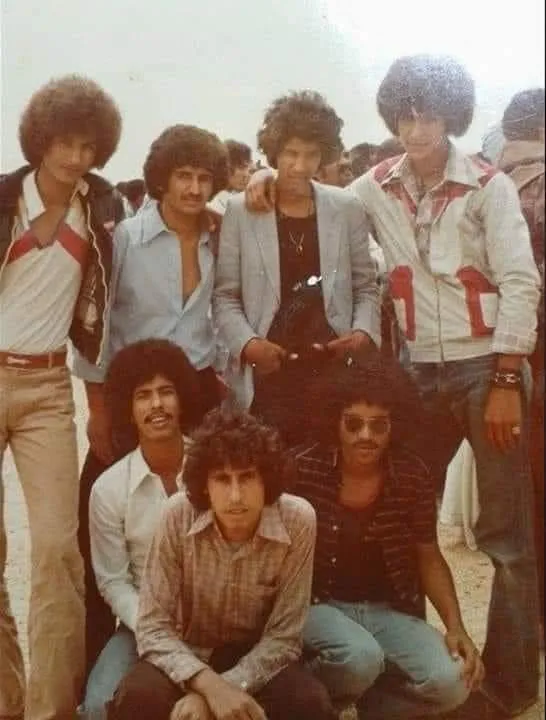
Photo: Unknown authorUnknown author, Public domain, via Wikimedia Commons
If you've ever queued up against Southeast Asian players in a mobile title and wondered why they seem so composed — so deliberate — there might be more going on than just practice hours. The way mobile gaming is woven into daily life across Vietnam, Thailand, Indonesia, and the Philippines is fundamentally different from how Americans relate to their games. And those differences aren't just cultural quirks. They reflect something real about psychology, habit formation, and the way communities self-regulate around gaming behavior.
At UFAFat Mobile, we spend a lot of time thinking about what makes regional gaming culture tick. What we've found might surprise US players who assume the Western approach to gaming is the default, or the healthiest, or even the most fun.
The Context Is Everything
In the United States, mobile gaming often exists as a secondary activity — something you do while waiting in line, sitting on the subway, or winding down before bed. It's layered on top of an already screen-heavy lifestyle that includes a desktop or laptop, a TV, a tablet, and a phone. The result is a fragmented, somewhat guilty relationship with mobile games. Players dip in and out without much intentionality, and the monetization systems in most Western-targeted mobile games are specifically designed to exploit that distraction-based engagement.
In much of Southeast Asia, mobile is the primary screen. It's the gaming platform, the social platform, the entertainment platform. That changes everything about how people engage with it. When your phone is your main gateway to digital life, you develop a different relationship with it — one that's more deliberate, more communal, and in some ways more disciplined than the scattered mobile habits common among US players.
The Social Accountability Factor
One of the most striking differences in Southeast Asian mobile gaming culture is how embedded it is in real-world social networks. In the Philippines, it's common for gaming sessions to happen in groups — friends in the same physical space, playing together or watching each other play. Gaming cafes remain popular social hubs. Even remote play is often deeply communal, with voice chat, group streams, and shared progress treated as social events rather than solo activities.
This social embeddedness creates a natural accountability structure that US players largely lack. When your gaming is visible to your friends and community, certain behaviors — rage quitting, excessive spending on loot boxes, playing through the night to the point of exhaustion — carry social consequences. There's a peer-based moderation happening that no app feature or parental control can replicate.
US players, by contrast, tend to game in relative isolation. The anonymity of solo mobile play removes that social accountability, and the result is that the psychological levers game designers use to extend session length and encourage spending work more effectively on isolated players.
Monetization Resistance and Why It Matters
Here's something the mobile gaming industry doesn't love to talk about: Southeast Asian players, despite being among the most engaged mobile gamers on earth, are historically more resistant to certain monetization tactics than their Western counterparts.
Part of this is economic — disposable income levels vary significantly across the region. But it's also cultural. Players in markets like Indonesia and Vietnam have developed sophisticated community knowledge around which in-game purchases are worth it and which are pure cash grabs. Gaming forums and community groups in these regions actively share information about value, expected payout rates, and monetization fairness in ways that function like collective consumer protection.
The practical result? Players make more informed spending decisions. They're not immune to well-designed monetization — the region generates billions in mobile gaming revenue — but they're less susceptible to impulsive, emotionally-driven purchases triggered by frustration or artificial scarcity.
For US players, the lesson here is community knowledge. Seeking out player communities that critically evaluate in-game spending, rather than just consuming marketing from developers, is one of the most practical habits you can adopt.
Play Session Psychology: Quality Over Quantity
Another pattern worth noting is how Southeast Asian competitive players structure their play sessions. In communities built around titles like Mobile Legends or Free Fire, there's a strong cultural norm around intentional practice. Playing with purpose — working on specific skills, reviewing matches, setting session goals — is normalized in a way it simply isn't in mainstream US mobile gaming culture.
This doesn't mean Southeast Asian players play less. Many play a lot. But the orientation toward why they're playing tends to be clearer, and that clarity produces a different psychological experience. Sessions feel more satisfying, progress feels more tangible, and the compulsive "just one more game" spiral that traps so many US mobile players is less common among players who started the session with a defined goal.
Trying this at home is genuinely straightforward. Before you open a game, decide what you're actually trying to do. Work on one specific skill. Play a set number of matches rather than an undefined stretch. It sounds almost too simple, but the intentionality changes the experience significantly.
What Self-Regulation Actually Looks Like
Several Southeast Asian countries have implemented gaming time regulations at various points, and while the policy debates around those measures are complicated, they've produced something interesting at the community level: a cultural conversation about healthy gaming that's more developed than what exists in mainstream US gaming discourse.
Thai and Indonesian gaming communities regularly discuss session limits, sleep schedules, and the signs of unhealthy engagement with a frankness that most US gaming spaces don't match. It's not that Southeast Asian players are more virtuous — it's that the conversation has been normalized in their communities in ways that make self-awareness easier.
US players can import this norm without waiting for anyone to mandate it. Building gaming communities — whether Discord servers, local groups, or online friend circles — that talk openly about healthy habits creates the same kind of social environment that makes self-regulation more natural.
Bringing It Home
None of this is about shaming how US players engage with mobile games. It's about recognizing that the way we play in America has been heavily shaped by design decisions that prioritize our spending and our time-on-app metrics over our actual enjoyment or wellbeing.
Southeast Asian gaming culture, shaped by different economic realities and stronger social gaming norms, has developed some genuine workarounds. More communal play. More informed spending. More intentional sessions. More open conversation about when gaming stops being fun and starts being a problem.
You don't have to move to Bangkok to adopt any of this. You just have to start paying attention to the region that's been quietly building a smarter relationship with mobile gaming for years — and decide which parts of that playbook you want to steal.