Real Money, Real Opportunity: How Southeast Asia's Mobile Gaming Boom Is Minting a New Class of Earners
Photo: U.S. Navy photo by Mass Communication Specialist 1st Class Jeffery Tilghman Williams, Public domain, via Wikimedia Commons
There's a creator economy quietly running laps around everything happening in the US gaming space right now, and most American players haven't even noticed it yet. In Vietnam, the Philippines, Thailand, and Indonesia, mobile gaming isn't just a hobby — it's a legitimate career path. We're talking streamers pulling in five-figure monthly incomes, tournament players building personal brands that rival mid-tier influencers, and content creators monetizing regional gaming culture in ways that Western platforms are only beginning to understand.
At UFAFat Mobile, we've been watching this ecosystem develop for years. And the honest truth? The window for US players to get in early is still open — but not for much longer.
Why Southeast Asia Became the World's Mobile Gaming Petri Dish
Before we talk money, we need to talk context. Southeast Asia is home to over 400 million mobile gamers. That's not a typo. The region skipped the PC gaming era almost entirely in many markets — mobile is the gaming platform, full stop. Games like Mobile Legends: Bang Bang, Free Fire, and PUBG Mobile didn't just find audiences here; they found their most passionate, most competitive, and most monetizable audiences here.
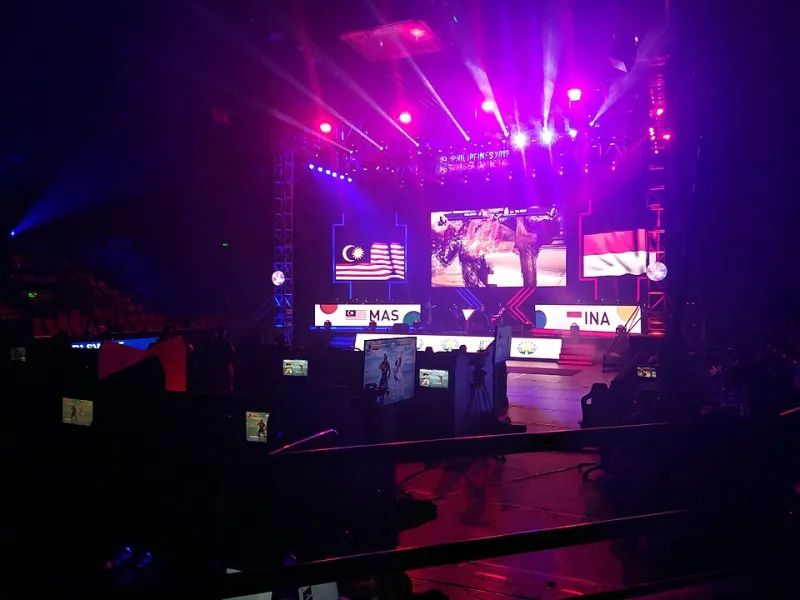
Because the stakes are higher and the competition is denser, the creator economy that grew around these games is equally intense. Streamers in the Philippines regularly pull 50,000 to 100,000 concurrent viewers on platforms like Facebook Gaming, which dominates the region in ways Twitch never has. Tournaments in Indonesia fill physical arenas. Content creators in Thailand build merchandise lines, coaching businesses, and sponsorship deals that would make a mid-level American YouTuber jealous.
The infrastructure for earning is mature. The audiences are enormous. And the barrier for US creators to enter? Surprisingly low.
Case Studies Worth Paying Attention To
Take the story of creators like those in the Free Fire competitive scene in the Philippines. Players who started streaming regional tournaments to a few hundred followers built communities of hundreds of thousands within two to three years. Their income streams aren't just ad revenue — they include tournament prize pools, brand deals with local telecom companies, in-game item sponsorships, and direct fan support through platforms that reward consistent engagement.
In Vietnam, mobile gaming coaches have turned regional expertise into consulting businesses. Players who mastered Arena of Valor or Mobile Legends at a high level now charge for coaching sessions, run paid Discord communities, and create tutorial content that earns them more annually than many entry-level professional jobs in the country.
The pattern is consistent across markets: identify a game with a massive regional player base, build expertise, create content that serves that community, and monetize through multiple overlapping channels. It sounds simple because the formula itself is straightforward. What's rare is doing it early, when the community is hungry and the competition for creator attention is still manageable.
Where US Players Actually Fit Into This
Here's the thing — Southeast Asian gaming audiences are genuinely curious about Western players. There's an inherent novelty in cross-regional gaming content that creators on both sides have barely started to explore. A US player who takes the time to learn a game that's massive in the Philippines, builds some fluency in the community, and creates content that bridges both audiences? That's a real gap in the market right now.
Specifically, here are three entry points worth considering:
Cross-Regional Tournament Coverage. Southeast Asian mobile esports tournaments are underreported in English-language media. A US creator who covers these events — with genuine enthusiasm and basic regional knowledge — fills a genuine content vacuum. The audiences already exist. The coverage doesn't.
Coaching and Skill Content. Many Southeast Asian players are actively seeking English-language coaching content for games that have global competitive scenes. If you're a high-level Mobile Legends or PUBG Mobile player, there's an audience waiting for your tutorials that you're probably not even thinking about targeting.
Community Building Around Regional Games. Games that are dominant in Southeast Asia but have smaller US player bases are starved for English-speaking community infrastructure. Building a Discord, subreddit, or content hub around one of these titles costs almost nothing upfront and positions you as a community leader before the game potentially breaks into mainstream Western awareness.
The Monetization Models That Actually Work
The Southeast Asian creator economy runs on a few monetization models that US creators should understand and replicate:
Gifting and direct fan support is massive in this region, particularly on Facebook Gaming and regional platforms like Nimo TV. The culture of gifting to streamers is deeply embedded and produces reliable income for consistent creators in ways that ad revenue alone never could.
Brand deals with regional companies are accessible earlier than you'd expect. Telecom brands, mobile accessory companies, and regional gaming peripheral makers actively seek English-language creators who can bridge Southeast Asian and Western audiences. Your follower count matters less than your niche relevance.
Tournament entry and prize money remains accessible at the amateur and semi-pro level across several Southeast Asian mobile titles. US players who invest in competitive skill development in these games can participate in online brackets with prize pools that dwarf what's available in equivalent Western mobile gaming competitions.
The Clock Is Ticking
Every emerging creator economy has a saturation point. The US gaming YouTube space hit it around 2017. Twitch streaming hit it around 2020. Southeast Asian mobile gaming's creator economy is in a growth phase right now, but it won't stay that way indefinitely.
The creators who build audiences and expertise in the next 12 to 24 months will have structural advantages that latecomers simply can't replicate. They'll have the community relationships, the platform algorithms working in their favor, and the regional brand recognition that takes years to develop.
For US players, the ask is straightforward: pick one game that's dominant in Southeast Asia, spend 90 days genuinely learning it and building content around it, and engage authentically with the regional community. That's the whole strategy. The opportunity is sitting there, and the only thing standing between most American players and a piece of it is the assumption that these markets are too foreign or too niche to bother with.
They're not. They're just early.