How Mobile Gamers in Southeast Asia Are Funding Passports and Paychecks — While US Players Leave Money on the Table

Picture this: a 24-year-old from Manila closes out a Mobile Legends tournament on a Tuesday afternoon, collects his share of a $3,000 prize pool, and books a flight to Bali for the weekend. His gaming setup? A mid-range Android phone and a portable WiFi router. His office? Wherever he lands.
This isn't a fantasy. It's a Tuesday for a growing slice of Southeast Asia's mobile gaming scene — and it's a lifestyle that US players are almost entirely sleeping on.
The Ecosystem That Makes It Possible
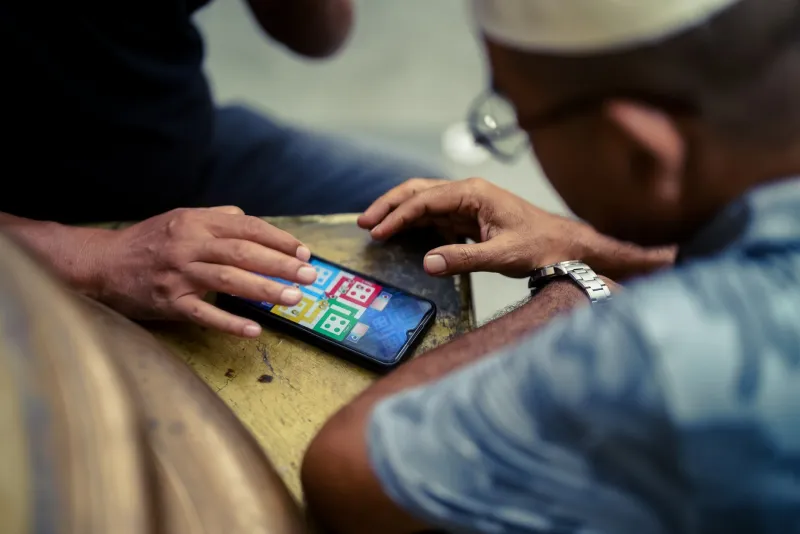
Southeast Asia didn't stumble into this. The region built an infrastructure around mobile gaming that the US simply hasn't replicated. Countries like the Philippines, Indonesia, Thailand, and Vietnam have thriving tournament circuits that run year-round, often organized through apps or community Discord servers with zero gatekeeping. Entry fees are low or nonexistent. Prize pools are real.
Beyond the competitive side, streaming platforms like Nimo TV and regional branches of YouTube and Facebook Gaming pay out to creators in ways that are genuinely proportional to a local cost of living. A streamer pulling 500 consistent viewers in the Philippines can earn enough to cover rent, food, and travel — something that would barely cover a Netflix subscription for a US creator with the same numbers.
Then there's in-game monetization. Reselling accounts, coaching newer players, grinding currency to trade — these micro-economies are deeply embedded in games like PUBG Mobile, Free Fire, and Mobile Legends. Players know the systems. They work them.
Real Stories From the Road
We connected with a few players who've actually made this lifestyle work.
Riz, 26, from Jakarta: Started grinding Free Fire tournaments at 19, mostly for fun. By 22, he was earning enough from prize winnings and a small coaching side hustle to cover his living costs. He's since relocated to Chiang Mai, Thailand — a city that's become a magnet for digital nomads precisely because of its low cost of living and fast internet. "I pay about $400 a month for a really nice apartment," he told us. "My gaming income covers that easily, plus travel every couple of months."
Anya, 29, from Cebu: Took a different route. She built a following on Facebook Gaming streaming Mobile Legends commentary, then leveraged that audience to land brand deals with peripheral companies and energy drink sponsors. She now works remotely as a part-time social media manager for a gaming brand while continuing to stream. The gaming income got her started. The brand deals kept her going. She's visited seven countries in the last two years.
Marc, 31, from Ho Chi Minh City: Focused on account trading and in-game currency arbitrage in multiple titles. He's careful about which games he works in and keeps detailed records for tax purposes. "It's real work," he said. "But it's work I can do from a beach if I want to."
None of these guys are millionaires. But they've cracked something that eludes most Western gamers: treating mobile gaming as an actual economic engine, not just entertainment.
The Tax Angle Nobody Talks About
Here's where it gets genuinely interesting for US players. Several Southeast Asian countries offer favorable tax treatment for gaming and digital income that makes the math work a lot better than it does stateside.
Thailand's digital nomad visa and its long-term resident visa program are designed to attract remote income earners, and gaming income generally falls under the same umbrella as freelance digital work. Malaysia's tax framework has historically been friendly to foreign-sourced income. Indonesia is still evolving its approach, but enforcement on small-scale digital earnings is loose compared to the IRS.
For US citizens, the situation is more complicated — American taxpayers owe taxes on worldwide income no matter where they live, thanks to citizenship-based taxation. But the Foreign Earned Income Exclusion (FEIE) can offset a significant chunk of that burden if you qualify as a bona fide resident or physical presence test passer. For a US gamer living in, say, Chiang Mai and earning under the FEIE threshold (currently over $120,000), the effective tax rate on gaming income can drop dramatically.
This isn't tax advice — talk to a CPA who understands expat taxation. But the point is: the financial architecture to make this work does exist for Americans willing to do the homework.
Why US Players Are Locked Out (And How to Start Unlocking It)
So why aren't more American gamers doing this? A few reasons.
First, the US mobile gaming scene is dominated by casual titles and pay-to-win mechanics that don't reward skill in the same way. Games like Free Fire and Mobile Legends have deep competitive ladders. Many popular US mobile games just... don't.
Second, the content creator economy in the US is brutal at the entry level. The platforms that reward Southeast Asian creators at 500 viewers don't pay out the same way in US markets, where advertiser CPMs are higher but competition is also exponentially fiercer.
Third — and this is the big one — most US gamers don't think of mobile gaming as a business. It's entertainment. That mental shift is the hardest part.
Practical steps to start building a similar lane:
-
Pick the right game. Titles with active Southeast Asian competitive scenes — Free Fire, PUBG Mobile, Mobile Legends — have real tournament infrastructure. Get good at one of them.
-
Start competing, even small. Platforms like Battlefy, Challengermode, and regional Discord tournament circuits run low-stakes competitions constantly. The prize money isn't the point at first. The experience and visibility are.
-
Build a content layer. Stream your practice sessions. Post clips. The gaming income alone is rarely enough — the content layer is what turns a hobby into a business.
-
Research the nomad visa landscape. Countries like Portugal, Georgia, and several Southeast Asian nations have formal visa programs for digital income earners. Know your options before you need them.
-
Get serious about accounting. Tournament winnings are taxable income in the US. So are streaming revenues and brand deals. Document everything from day one.
The Bottom Line
Southeast Asia didn't accidentally produce a generation of mobile gamers who travel the world on tournament money. It built the conditions — affordable hardware, competitive ecosystems, creator-friendly platforms, and a culture that takes mobile gaming seriously as a skill — and then players figured out how to exploit those conditions.
The US has the talent. What it's missing is the mindset. And maybe a one-way ticket to Chiang Mai.
UFAFat Mobile covers the intersection of mobile gaming culture and real-world opportunity across Southeast Asia and beyond. Got a story about building income through gaming? Hit us up.