Going Rogue on Region Locks: The Underground World of US Gamers Hopping Southeast Asian Servers
Somewhere between a Discord server dedicated to Mobile Legends strategies and a Reddit thread complaining about US server lag, a subculture quietly assembled itself. US mobile gamers — thousands of them — have been routing their traffic through Southeast Asian servers for months, sometimes years. They're grabbing cheaper in-game currency, getting their hands on new content weeks before it hits American storefronts, and in some cases, playing on infrastructure that honestly runs smoother than what they'd get at home.
This isn't some niche hacker thing. It's a lot more mainstream than publishers want to admit, and it's raising real questions about region-locking, pricing fairness, and the uneven global rollout of mobile gaming content.
Let's get into it.
Why Southeast Asian Servers Are So Attractive to US Players
First, the obvious stuff: money. Mobile games priced for Southeast Asian markets operate on a fundamentally different economic model. A currency pack that costs $9.99 in the US might run the equivalent of $3–4 when purchased through a Thai or Philippine account. That's not a rounding error — that's a 50–60% discount on the same digital product.
Jordan T., a 26-year-old from Austin who's been playing Garena titles through a VPN for about two years, put it bluntly: "I was spending like $40 a month on skins and battle passes on my US account. I switched to a regional account in the Philippines and cut that down to maybe $15. Same game, same content, way less money out of my pocket."
Beyond price, there's the content timeline issue. Southeast Asia is often the primary market for the biggest mobile titles — games like Mobile Legends: Bang Bang, Honor of Kings, and a dozen battle royale variants launch features, seasonal events, and limited-time skins in SEA regions weeks or even months before US players see them. For competitive players or collectors, that gap is genuinely painful.
And then there's server performance. This one surprises people. While you'd expect routing through overseas infrastructure to introduce lag, some US players in specific regions — particularly the West Coast — report that certain SEA servers actually deliver more consistent ping than crowded domestic ones. It's counterintuitive, but network routing doesn't always follow geographic logic.
How It Actually Works (Without Getting Too Nerdy)
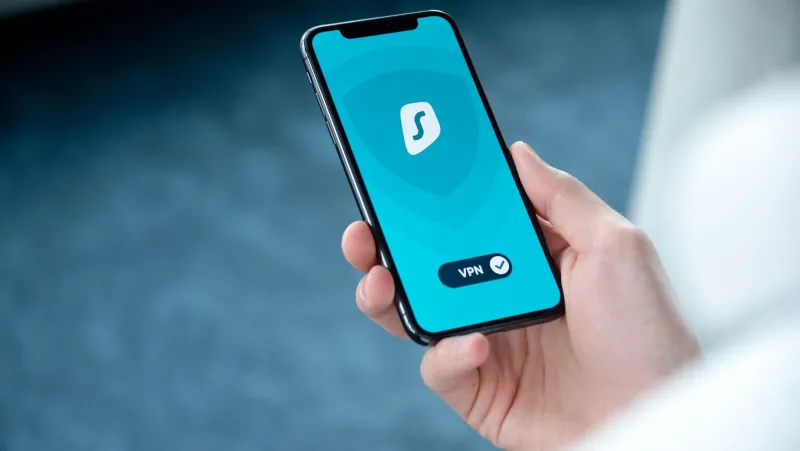
The setup isn't complicated, which is part of why it's spread so fast. A player installs a reputable VPN, connects to a server in Singapore, Thailand, or the Philippines, creates a new account tied to that regional app store using a gift card or third-party payment method, and they're in. Most mobile operating systems don't actively block this, and the games themselves rarely have detection systems sophisticated enough to flag casual VPN usage.
The harder part is managing payments. Regional app stores don't accept American credit cards without a billing address match, so players typically rely on regional gift cards purchased through sites like OffGamers or Codashop — both of which are entirely legitimate platforms that operate openly across Southeast Asia and cater to international buyers.
Kayla M., a content creator from Seattle who covers mobile gaming on TikTok, walked us through her setup: "I use a mid-tier VPN, bought a Google Play gift card for the Philippines store, and set up a separate Google account. Took maybe 30 minutes the first time. Now it's just part of my routine. I don't even think about it anymore."
The Legal and Technical Risks — Let's Be Honest
Here's where we have to pump the brakes a little, because this stuff is real.
From a terms of service standpoint, most major mobile games explicitly prohibit using VPNs to access region-locked content or purchase currency at regional pricing. Violating those terms can result in account suspension or a permanent ban — and unlike a console or PC ban, mobile game bans often mean losing everything you've spent, with no recourse. You won't get a refund. You won't get an appeal. The account is just gone.
Legally, it's murkier. Using a VPN itself is not illegal in the United States. Accessing region-locked content through one occupies a legal gray zone — it's not criminal, but it may constitute a breach of contract under the game's EULA. Publishers could theoretically pursue civil action, though in practice, no major studio has gone after individual players for this.
There's also a security angle. Not all VPNs are created equal. Free VPN services, in particular, have a well-documented history of logging user data, injecting ads, and in extreme cases, selling browsing information to third parties. If you're routing mobile gaming traffic through a sketchy free VPN, you're potentially exposing your payment info and personal data. Stick to reputable paid services with clear no-log policies.
Why Publishers Haven't Cracked Down Harder
This is the interesting part. If region-hopping is so clearly against the rules, why do publishers seem to tolerate it at a broad level?
The honest answer is complicated. On one hand, a US player spending money in a Southeast Asian storefront still generates revenue — it just routes through different payment infrastructure. Publishers aren't losing that money entirely. On the other hand, it does undermine regional pricing strategies, which are carefully calibrated to match local purchasing power.
But there's another factor: player acquisition. Mobile gaming is brutally competitive. A US player who gets hooked on a game through a regional account might eventually create a domestic account, recruit friends, or generate content that promotes the game. Publishers are often quietly willing to accept some pricing arbitrage in exchange for broader global engagement.
One industry analyst we spoke to, who asked not to be named because they work with several major Southeast Asian studios, put it this way: "The enforcement cost of aggressively banning every VPN user is higher than the revenue lost to pricing arbitrage. As long as it stays below a certain threshold, most studios just let it happen."
What You Should Actually Do With This Information
If you're a US player curious about trying this, go in with eyes open. The advantages are real — cheaper content, earlier access, occasionally better server performance. But the risks aren't zero, either. You're playing on an account that could be banned without warning. You're trusting a VPN provider with your traffic. And you're operating in a gray zone that publishers could tighten up at any time.
If you decide to try it anyway, use a paid VPN with a strong privacy policy, keep your regional account separate from your main one, and don't put more money into it than you're willing to lose. Treat it like a secondary experiment, not your primary gaming identity.
For what it's worth, the broader conversation this raises — about why the same game costs dramatically more in the US than in Southeast Asia — is one publishers should be having more openly. The pricing gap exists for legitimate economic reasons, but it also creates obvious incentives for workarounds. If the gap weren't so wide, the loophole wouldn't be so tempting.
Until publishers figure that out, the VPN tunnels to Bangkok and Manila are going to stay pretty busy.