No Viral Moment Needed: How Southeast Asian Mobile Creators Are Quietly Stacking Six-Figure US Audiences
Most US content creators are playing a lottery. Post enough, pray one video pops off, ride the wave. It's exhausting, expensive, and for the vast majority of people grinding on YouTube or TikTok, it never actually works.
Meanwhile, a wave of Southeast Asian mobile gaming creators is doing something entirely different — and it's working. These streamers and content makers aren't going viral. They're not landing brand deals with major publishers or showing up on trending pages. They're building loyal, paying US audiences through a slow, methodical process that looks almost boring from the outside. Until you see the income numbers.
So what exactly is the pipeline? And what can US creators — and the people watching this industry from a betting and entertainment angle — actually take away from it?
The Slow Build Is the Strategy
Here's the thing most American creators miss: virality is not a business model. A video that gets 10 million views from random strangers is worth less than a community of 30,000 people who show up every week because they genuinely trust you.
Southeast Asian creators figured this out early — partly because they had to. When you're streaming from the Philippines, Indonesia, or Vietnam, you don't have the infrastructure advantages US creators take for granted. You can't rely on YouTube's recommendation algorithm to hand you an audience. You have to build one.
The approach is almost obsessively community-first. Creators spend months, sometimes over a year, engaging directly with their earliest followers. Discord servers become operational headquarters. Comment sections get actual replies. Viewers get called out by name during streams. The result is an audience that feels personally connected to the creator — and that connection translates directly into sustained revenue.
Mobile Gaming Is the Perfect Vehicle
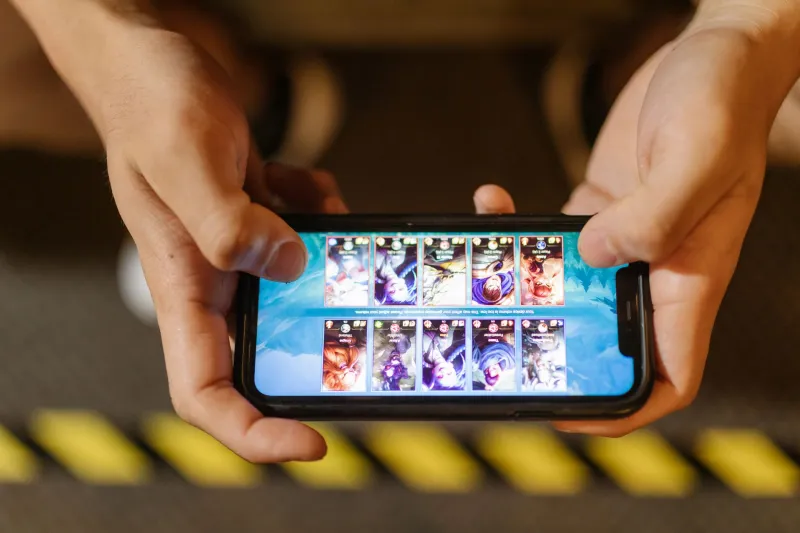
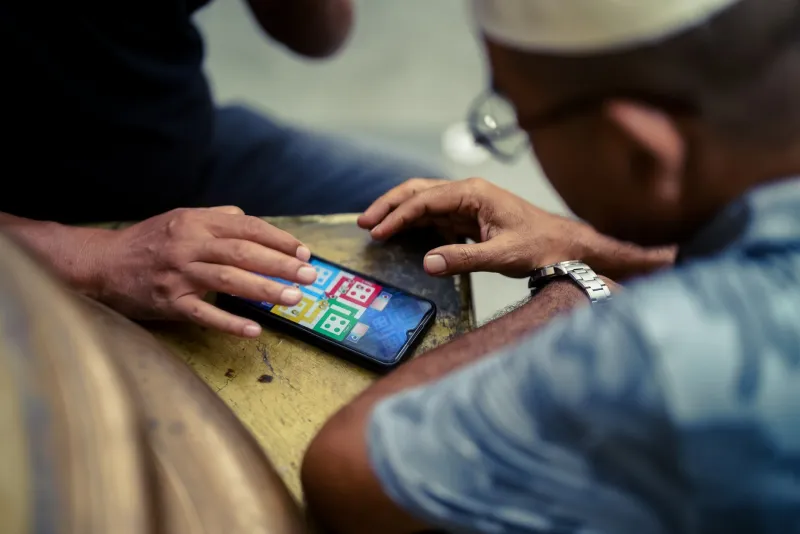
The choice of platform isn't random. Mobile gaming is the focus because it's universally accessible. A US viewer on a mid-range Android and a creator streaming from a budget phone in Manila are playing on essentially the same level. There's no $3,000 PC setup gatekeeping the conversation.
The games themselves tend to cluster around titles with deep competitive ecosystems — Mobile Legends: Bang Bang, PUBG Mobile, Honor of Kings, and increasingly, mobile-optimized card and strategy games with wagering elements. These aren't casual time-killers. They're games with real skill ceilings, meta discussions, and ongoing storylines that keep viewers coming back for context.
For US audiences, the appeal is partly novelty. Southeast Asian creators often have access to regional game builds, limited-edition events, and server environments that US players can't easily access on their own. Watching someone navigate that world becomes genuinely educational — and entertainment and education combined is a powerful retention formula.
Monetization Without the Middleman
Here's where the US creator playbook gets completely flipped. American streamers tend to rely heavily on platform monetization — YouTube ad revenue, Twitch subscriptions, maybe a Patreon. Southeast Asian mobile creators are building income stacks that don't depend on any single platform's goodwill.
The model typically looks something like this:
Tiered community memberships that offer exclusive content, coaching sessions, or early access to betting tips for mobile esports events. These aren't Patreon clones — they're often run through regional platforms like Ko-fi, local super-app integrations, or even direct bank transfers that cut out platform fees entirely.
Affiliate partnerships with mobile gaming platforms — including sports betting and mobile wagering services that operate in regulated Southeast Asian markets. A creator with 80,000 engaged followers who trust their opinions on which platforms are worth using is enormously valuable to those operators. The commission structures can be surprisingly lucrative, especially when you're converting US-based followers who are curious about the mobile betting landscape.
Coaching and strategy content packaged as standalone products. A $15 guide on climbing ranked in Mobile Legends doesn't sound like much, but sell it to 2,000 people and you've cleared $30,000 from a single piece of content.
Cross-platform content repurposing done at a volume and efficiency that US creators rarely match. The same gameplay session becomes a YouTube video, a TikTok clip, a Discord discussion thread, and a newsletter breakdown. Every piece of content does multiple jobs.
What US Creators Are Getting Wrong
The biggest mistake US mobile gaming creators make is treating their content like a product launch instead of a relationship. They optimize for clicks before they've built any trust. They pivot to whatever game is trending instead of developing genuine expertise. And they ignore the international audience entirely, assuming that viewers in Southeast Asia or South Asia aren't worth chasing.
That last one is especially costly. The US-based audience for Southeast Asian mobile gaming content is real and growing — and it skews toward engaged, spending-age viewers who are actively interested in both the games and the surrounding entertainment ecosystem, including mobile wagering platforms. These are not passive viewers. They participate, they spend, and they recruit their friends.
US creators who want to compete in this space need to think less about algorithms and more about anthropology. What does your audience actually care about? What information do they not have access to elsewhere? How can you become the person they trust for a specific slice of the mobile gaming world?
The Betting Angle Nobody's Talking About
For anyone paying attention to where mobile gaming entertainment money is flowing, there's a broader signal here worth catching. Southeast Asian creators who've built US audiences in mobile gaming have effectively built pre-warmed audiences for mobile esports betting content. The trust is already there. The game knowledge is already established. Adding a layer of wagering analysis and platform recommendations is a natural extension — not a pivot.
US creators who get into mobile gaming content now, using the community-first approach these Southeast Asian creators have refined, are positioning themselves ahead of a market that's still largely untapped in North America. Mobile esports betting is growing. The audience for it is building. The question is who's going to be the trusted voice when US viewers start looking for guidance.
The Takeaway
There's no secret sauce. The Southeast Asian mobile creator pipeline works because it's built on patience and genuine community investment — two things that don't show up in a viral moment but compound quietly into something that pays real money over a long period of time.
For US audiences watching this space, the creators worth following aren't necessarily the ones with the biggest numbers. They're the ones with the most engaged communities. That's where the real insight — and the real opportunity — lives.
At UFAFat Mobile, we watch this creator economy closely because it tells us where the mobile gaming and entertainment world is heading. And right now, it's heading toward a model that rewards depth over flash every single time.