Southeast Asian Mobile Pros Are Cashing In — Here's Why US Players Can't Keep Up
Photo: U.S. Navy photo by Mass Communication Specialist 1st Class Jeffery Tilghman Williams, Public domain, via Wikimedia Commons
If you've spent any time in competitive mobile gaming circles, you've probably noticed something a little uncomfortable: the players dominating the leaderboards in games like Mobile Legends: Bang Bang, PUBG Mobile, and Honor of Kings aren't just winning more — they're earning more. A lot more. We're talking about a financial gap that, depending on who you ask, can stretch to ten times the income of a comparably skilled player grinding it out in the United States.
So what's actually going on? Is it pure talent? Lucky timing? Or is the entire revenue ecosystem just built differently over there? Spoiler: it's the ecosystem, and it's been quietly running laps around the US model for years.
The Team Salary Structure Nobody Talks About
In Southeast Asia — particularly in the Philippines, Indonesia, Thailand, and Malaysia — mobile esports organizations operate more like traditional sports franchises than the loose creator collectives you see in the US. Teams like Blacklist International, EVOS Esports, and RRQ carry full rosters with monthly base salaries, housing stipends, nutritionists, and dedicated coaching staff.
A mid-tier professional player on a legitimate Philippine Mobile Legends squad might pull anywhere from $1,500 to $3,500 USD per month in base salary alone. That might not sound like Silicon Valley money, but when you factor in local purchasing power and the additional income streams stacked on top, these players are genuinely comfortable. Meanwhile, most US mobile gaming "pros" are essentially content creators with a tournament hobby — structured team salaries for mobile specifically are nearly nonexistent stateside.
The difference comes down to how organizations in Southeast Asia are funded. Telecommunications giants, fast food chains, and national consumer brands have poured serious money into mobile esports sponsorships because the audience is massive and deeply engaged. In the US, most major brand dollars still chase PC and console esports, leaving mobile players scraping for Twitch bits and affiliate codes.
Tournament Prize Pools: A Tale of Two Regions
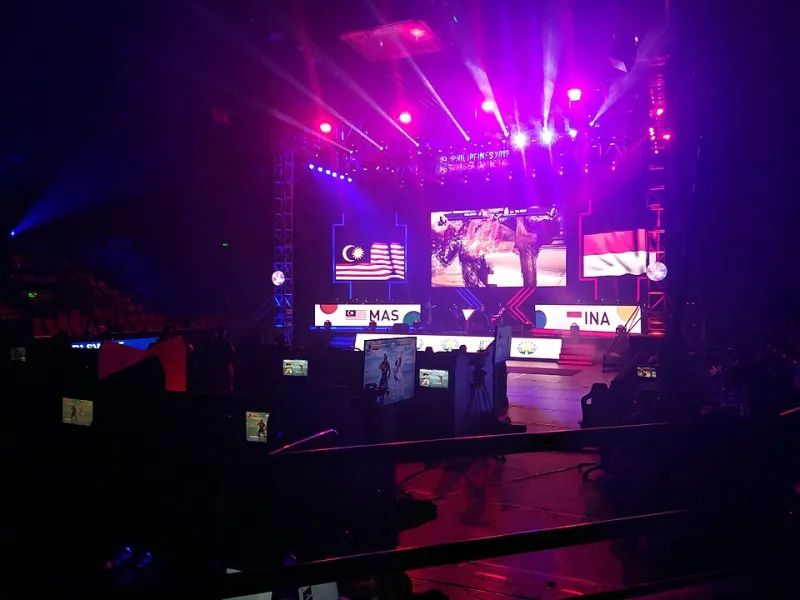
Here's where it gets even more eye-opening. The M-Series World Championship for Mobile Legends regularly offers prize pools north of $800,000 USD. The PUBG Mobile Global Championship has distributed over $2 million in a single season. These aren't fringe events — they're primetime broadcasts with millions of live viewers.
Compare that to the mobile-specific tournament landscape in the US, and you're looking at a pretty thin menu. Most competitive mobile gaming in America still lives in the shadow of PC titles like League of Legends and Valorant, or console-driven franchises. The infrastructure for mobile-specific prize pools at scale just hasn't materialized here the way it has in Southeast Asia, where mobile gaming is the dominant platform — not a secondary one.
For US players trying to monetize their skills through tournaments, the math is rough. You might grind qualifiers for months and walk away with a few hundred dollars. Your counterpart in Jakarta or Manila is playing the same game, at a similar skill level, with access to a tournament circuit that offers exponentially higher ceilings.
The Streaming Revenue Split Nobody Warned You About
Streaming is where things get genuinely complex. US players naturally gravitate toward Twitch and YouTube, which are solid platforms — but they're also deeply saturated and algorithm-dependent. Southeast Asian players have access to platforms like NimoTV, Facebook Gaming (which is enormous in the Philippines), and regional apps that actively recruit top mobile talent with revenue guarantees and signing bonuses.
Facebook Gaming in particular has been a goldmine for Southeast Asian mobile streamers. The platform's mobile-first design, combined with the region's Facebook-heavy social culture, means viewership numbers that would be impossible to replicate on Twitch for a mobile game. Top Filipino streamers regularly pull 50,000 to 100,000 concurrent viewers on mobile content — numbers that translate into significant ad revenue, fan subscription income, and platform partnership deals.
US streamers playing mobile games on Twitch are essentially fighting uphill. The platform's desktop-centric audience treats mobile content as a novelty rather than a main event, which tanks discoverability and suppresses the viewer counts that attract brand sponsorships.
Brand Deals: The Biggest Gap of All
If team salaries are a gap and tournament prize pools are a chasm, brand deals are a canyon. Southeast Asian mobile pros routinely ink deals with telcos, smartphone manufacturers, energy drink companies, and even banking apps — all specifically targeting the mobile gaming demographic. These aren't generic influencer partnerships; they're deeply integrated campaigns built around mobile gaming culture.
Samsung, OPPO, Xiaomi, and regional carriers like Globe Telecom and Telkomsel actively compete for sponsorship real estate in the mobile esports space. A top-tier player in the region might carry three or four brand partnerships simultaneously, each paying a monthly retainer plus performance bonuses tied to content output and tournament results.
For US players, landing a mobile-specific brand deal is genuinely rare. Most American gaming sponsorships still flow toward peripheral brands (keyboards, mice, headsets) that have zero relevance to mobile-first players. The advertisers who care about mobile gaming audiences in the US haven't fully woken up to esports as a channel — and until they do, US mobile pros are going to keep leaving serious money on the table.
What US Players Can Actually Do Right Now
The honest answer is that you can't single-handedly restructure the American mobile esports economy. But you can be smarter about where you compete and how you build your brand.
First, consider building an audience on Facebook Gaming instead of defaulting to Twitch. The mobile gaming community there is underserved by US creators, which means less competition for eyeballs. Second, look at Southeast Asian tournament circuits that are open to international players — several major events allow overseas competitors, and even a deep run can open doors to regional sponsorship conversations. Third, study how successful SEA players package themselves to brands. They lead with audience data, engagement rates, and platform-specific metrics — not just follower counts.
The money is out there. It's just flowing through channels that most US mobile gamers haven't thought to tap yet. That's not a talent problem — it's an awareness problem. And awareness is fixable.