Streaming on a Shoestring: How Southeast Asian Creators Are Leaving US Influencers in the Dust
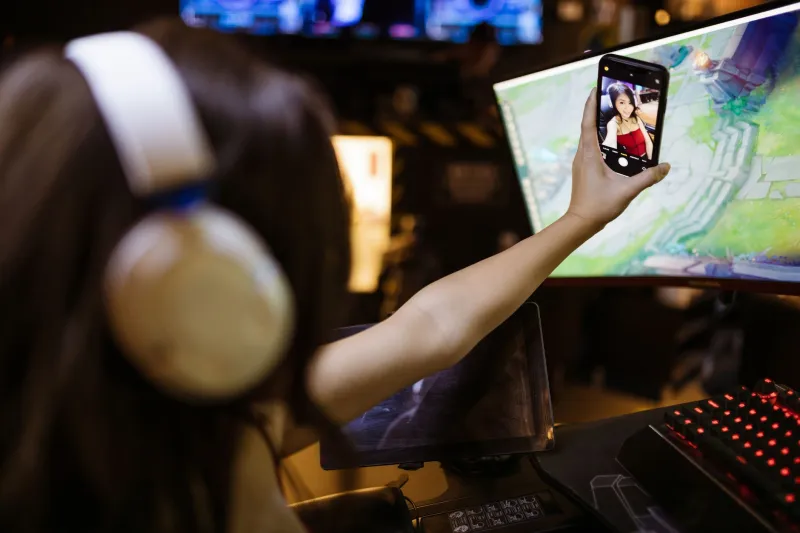
There's a weird thing happening in the gaming creator space right now. Open up TikTok or YouTube on any given afternoon and you'll find creators from the Philippines, Thailand, Vietnam, and Indonesia racking up millions of views — on content made with gear that most US streamers would toss in a garage sale. Meanwhile, American gaming influencers are dropping five figures on RGB lighting rigs, acoustic foam, and capture cards just to stay competitive. Something doesn't add up.
The math, it turns out, is exactly the problem for US creators. And it's exactly the solution for their Southeast Asian counterparts.
The Overhead Gap Nobody's Talking About
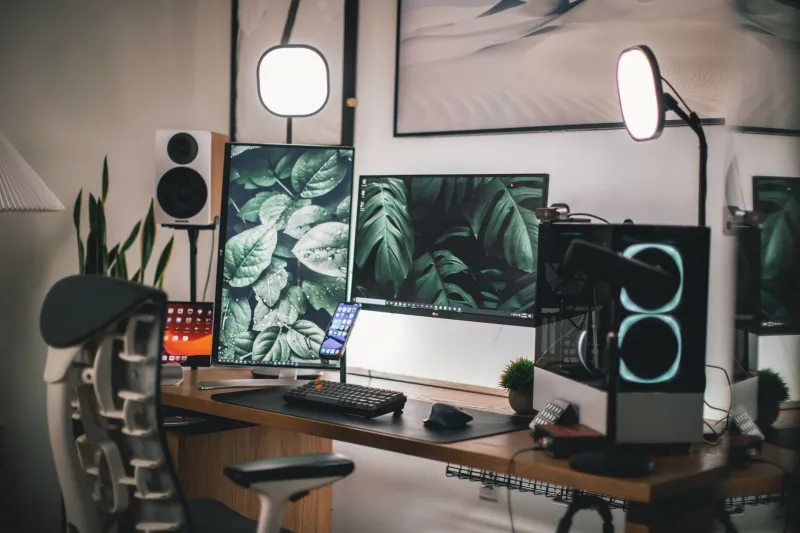
Let's get specific. A mid-tier US gaming streamer trying to look "professional" by American standards might spend anywhere from $3,000 to $10,000 setting up a home studio — decent mic, ring lights, a capture card, a green screen, maybe a second monitor. That's before they even consider the cost of games, subscription services, or the time investment of editing.
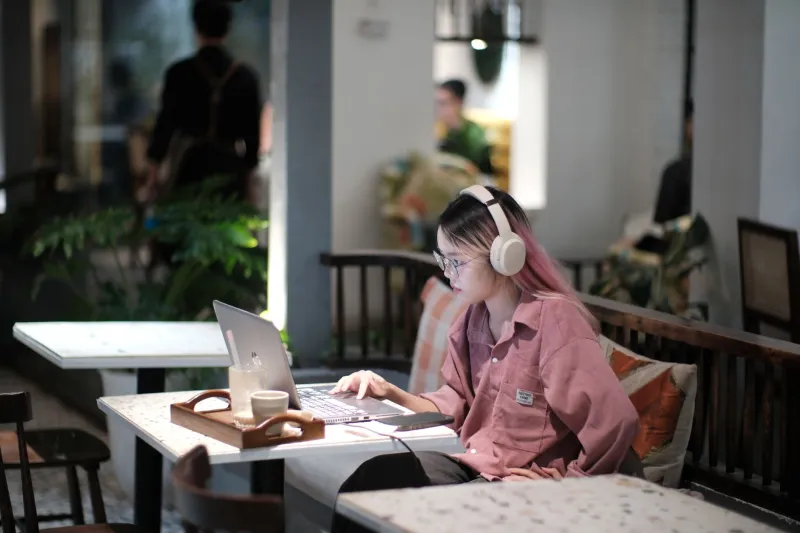
A creator based in Manila or Ho Chi Minh City? They might be working off a sub-$300 Android phone, a $15 clip-on mic, and natural window light. Their editing happens on a free mobile app. Their studio is their bedroom. And their audience? Doesn't care. In fact, that rawness is often part of the appeal.
This isn't about poverty tourism or romanticizing limited resources. It's about audience expectation calibration — and Southeast Asian creators figured it out way ahead of the West.
Sponsorship Ecosystems Built Differently
Here's where it gets really interesting from a business standpoint. US gaming creators are almost entirely dependent on a handful of revenue streams: AdSense, Twitch subscriptions, and brand deals from a relatively small pool of gaming peripheral companies, energy drinks, and VPN services. The competition for those sponsorships is brutal. A creator with 200,000 subscribers is fighting against creators with 2 million for the same limited pool of brand budgets.
In Southeast Asia, the sponsorship ecosystem looks completely different. Mobile gaming platforms — including regional betting and esports wagering apps — actively court mid-sized creators because those audiences convert at higher rates. A Thai streamer with 80,000 followers who plays mobile titles and occasionally covers esports odds is genuinely valuable to a regional platform in a way that a US creator with triple the audience might not be to an American equivalent.
Regional mobile gaming hubs understand that micro-influencers with tight community bonds drive more actual user acquisition than mega-creators with passive audiences. That model is catching on globally, but Southeast Asia's been running it for years.
The Burnout Equation
Ask any US gaming creator who's been at it for more than three years about burnout and you'll get the same answer: the hamster wheel never stops. The algorithm demands consistency. Trends shift weekly. Whatever worked six months ago is already stale. And because the production bar keeps rising — more cinematic thumbnails, better audio, faster edits — the cost of staying relevant keeps climbing with it.
Southeast Asian creators aren't immune to burnout, but the pressure points are different. There's less cultural expectation around production polish and more emphasis on personality, community interaction, and gaming authenticity. A Filipino streamer who hops on to play Mobile Legends for two hours, talks trash with their chat, and posts a highlight clip doesn't need to reinvent their content format every quarter. Their audience showed up for them, not for a production value arms race.
This creates something genuinely rare in the creator economy: sustainability. Careers that don't require a constant reinvestment of earnings just to maintain the same level of relevance.
Audience Loyalty Patterns That US Creators Can't Buy
There's a loyalty dynamic in Southeast Asian gaming communities that feels almost old-school by Western internet standards. Fans stick around. They follow creators across platforms. They show up to watch live even when the content isn't perfectly packaged. Part of this is cultural — community and group identity carry more weight in many Southeast Asian societies than in the more individualistic US market. But part of it is also just the byproduct of creators who aren't constantly pivoting to chase trends.
US creators, by contrast, often find themselves in a cycle where growth requires constant reinvention, which alienates the core audience, which requires more growth to compensate. It's a leaky bucket problem dressed up as a strategy.
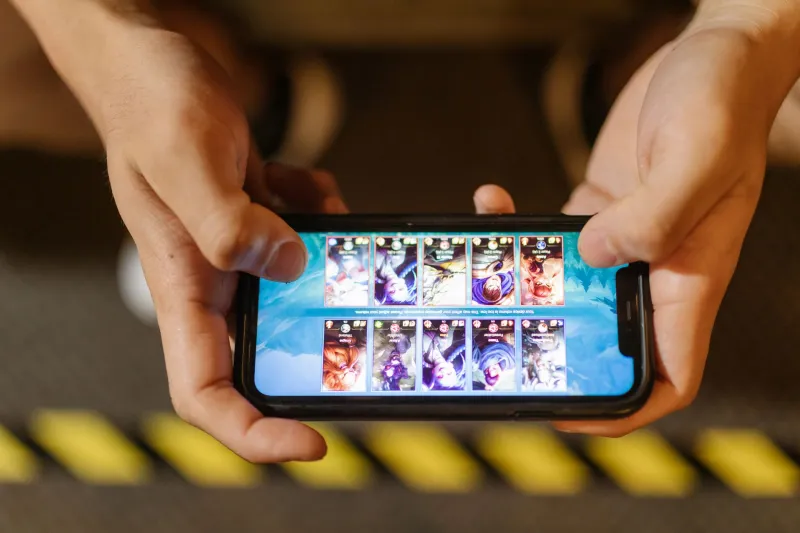
Mobile gaming content — especially the kind focused on competitive titles and esports — tends to generate particularly sticky audiences in Southeast Asia because the games themselves are deeply embedded in daily life. These aren't casual players dabbling between console sessions. Mobile gaming is the primary gaming platform for hundreds of millions of people across the region, which means the content around it carries the same cultural weight that console or PC content does in the US.
What US Creators Could Actually Learn
None of this means American gaming creators should suddenly downgrade their setups or abandon production quality entirely. But there are genuine lessons here.
First, authenticity converts better than aesthetics at scale. The most-watched gaming content across Southeast Asia prioritizes genuine reactions, community in-jokes, and real gameplay over cinematic production. US creators chasing the latter at the expense of the former are often trading connection for polish — and losing audience loyalty in the process.
Second, diversifying into regional platforms and audiences isn't just a growth hack — it's a hedge. Southeast Asian gaming audiences on TikTok and YouTube are underserved by English-language creators, and there's real opportunity for US-based creators who understand the regional gaming culture (mobile-first, community-driven, esports-adjacent) to build crossover audiences.
Third, the sponsorship models coming out of Southeast Asia's mobile gaming ecosystem are worth paying attention to. As mobile esports wagering and regional gaming platforms expand their reach into Western markets, the creator partnerships they're building now will shape where those ad dollars flow later.
The Shift Is Already Happening
The creator economy isn't waiting for US influencers to catch up. The algorithms are already surfacing Southeast Asian gaming content to global audiences. The sponsorship dollars are already flowing to creators with smaller but more engaged followings. And the platforms that understand mobile-first, community-driven content are already winning the next generation of viewers.
US creators have a choice: keep doubling down on a production arms race that's pricing them out of sustainability, or start paying attention to a playbook that's been working quietly and efficiently on the other side of the world for years.
At UFAFat Mobile, we've been watching this shift play out in real time. The future of gaming content isn't bigger studios. It's smarter ones — and right now, Southeast Asia is writing the manual.